
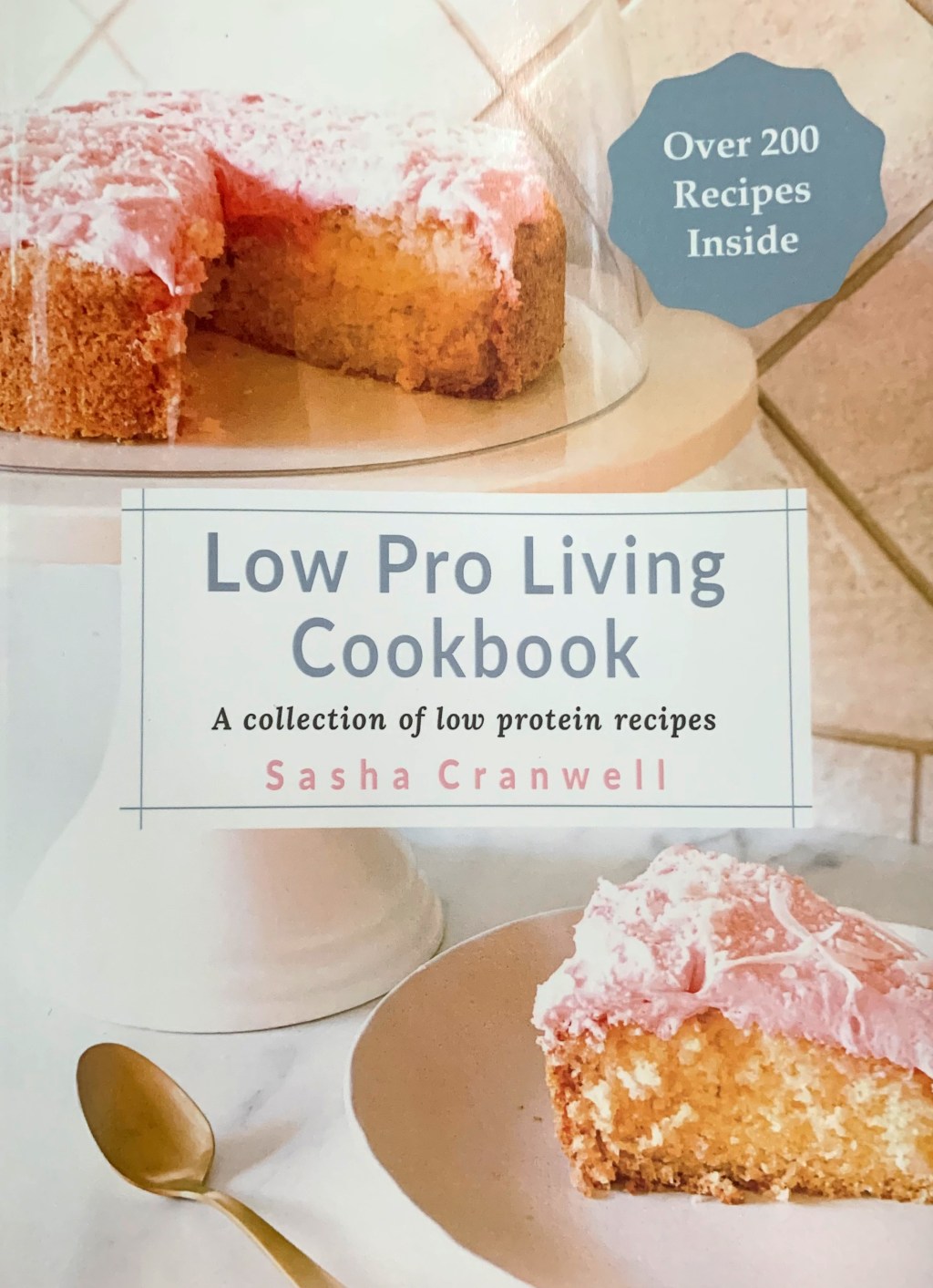
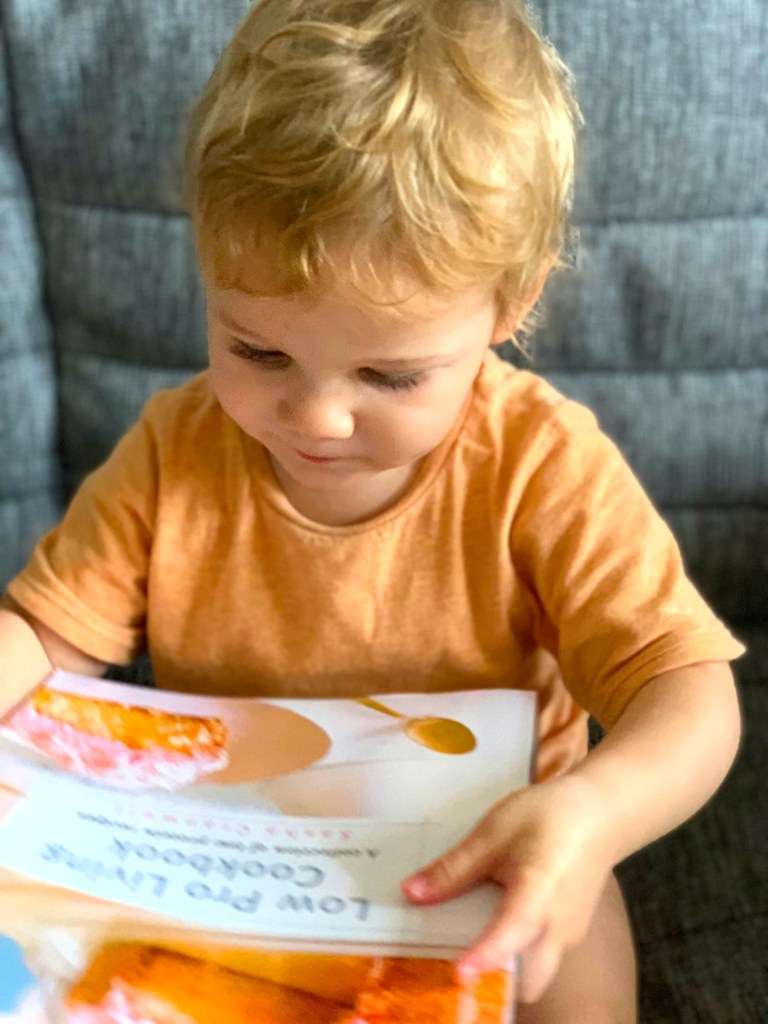
Inspiration resources for cooking delicious low-protein meals are fundamental for individuals navigating dietary restrictions due to metabolic disorders. A low-protein diet can often feel limiting, leading to frustration and a lack of culinary creativity. Nevertheless, having access to diverse recipes and cooking techniques enhances meal enjoyment and ensures that nutritional needs are met.
These resources empower individuals to explore new flavours and textures. They transform a monotonous eating experience into an exciting culinary journey. Cookbooks and online platforms provide innovative ideas. They offer practical tips to help maintain a balanced diet. This approach makes mealtime both satisfying and enjoyable.
I want to highlight a Low-protein cookbook for you. It was developed by Sasha Cranwell, who is the parent of a child with phenylketonuria. I ordered the book on 4th of September and received it on 25th of September 2024.
The Low Pro Living Cookbook is a thoughtfully designed resource for people managing low-protein diets, offering a vital blend of creativity and practicality. In a world where dietary restrictions can often lead to monotonous meals, this cookbook stands out by providing recipes and a culinary experience that inspires and delights.
Design and Layout
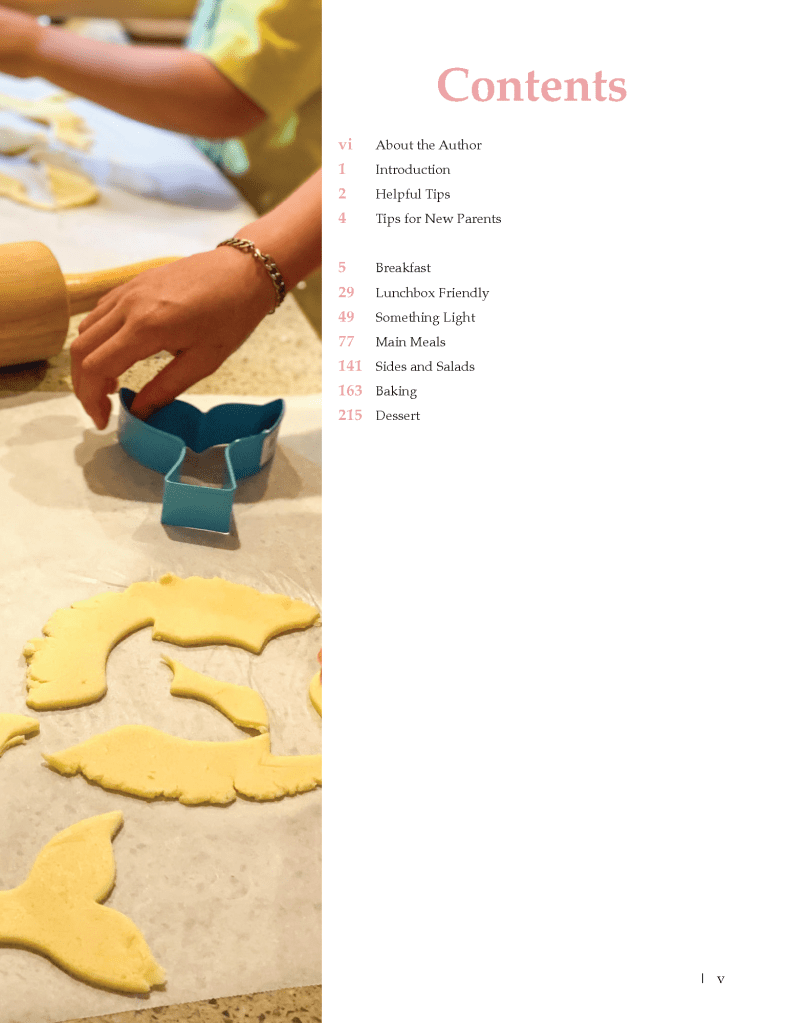
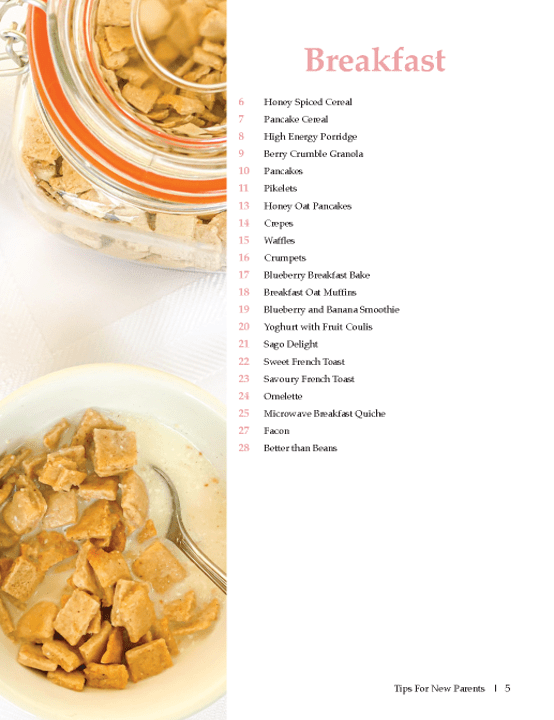
The cookbook features a clean, modern aesthetic with a delicate and sweet colour palette that invites readers in. Recipes are organised by meal type, making it easy to find breakfast, main meals, lunchbox-friendly recipes, baking, and dessert options. The Table of Contents is user-friendly, allowing for quick navigation.
Recipe Highlights
Each recipe includes clear ingredient lists and step-by-step instructions, ensuring easy preparation. I love the author’s collaboration with the Metabolic Clinic from Australia. They included nutritional information for various amino acid metabolism disorders.
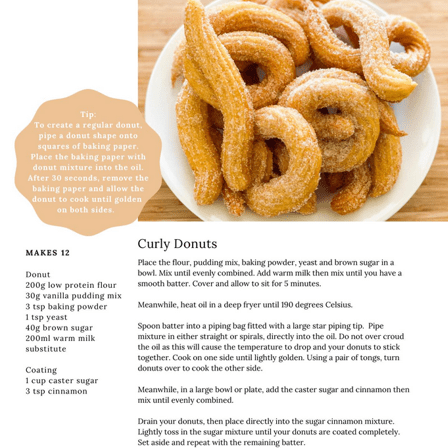
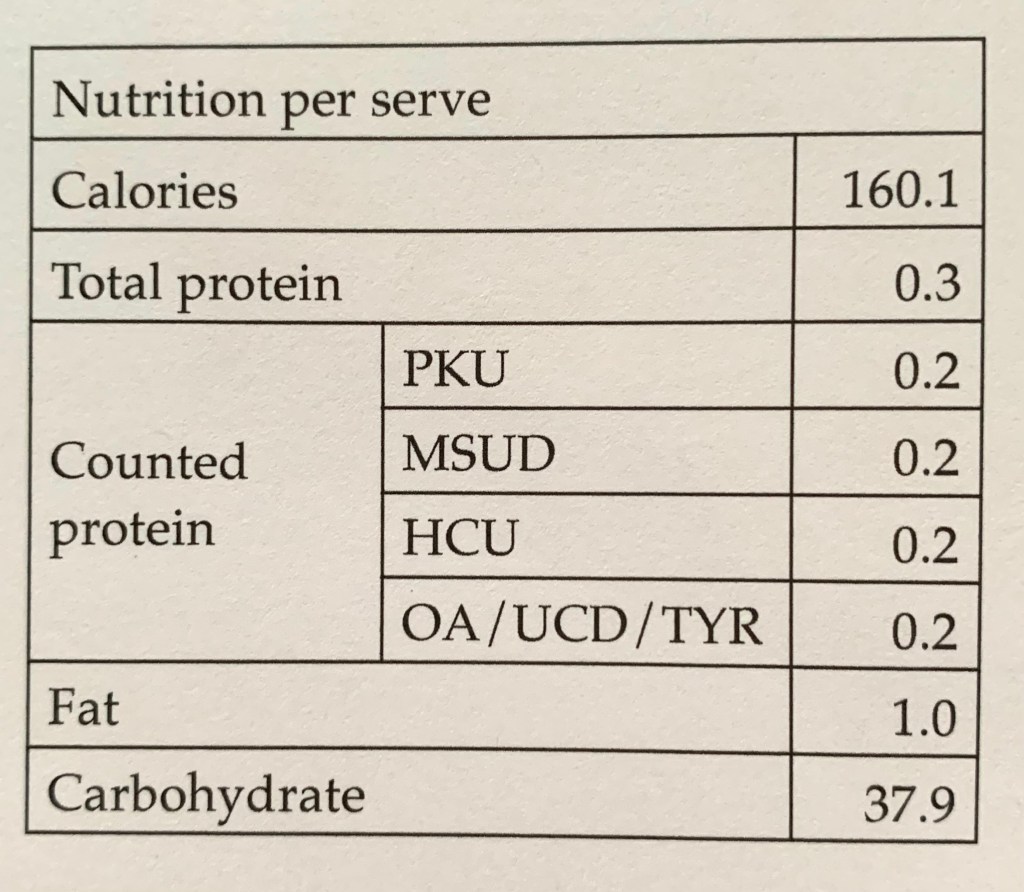
However, patients or caregivers should constantly adapt these recipes according to their own needs to get to the target daily allowance for Phe (PKU), branched-chain aminoacids (MSUD), methionine (HCU), tyrosine (Tyr), etc.
Always work with a registered dietitian or healthcare provider to tailor meal plans for the patient’s condition. This ensures that nutritional needs are met without exceeding limits on the aminoacids specific to each condition.
The absence of a professional dietician can be challenging. Remember, however, that education is the key. Thus, familiarise yourself with the nutritional needs associated with the specific condition. Reliable resources include medical websites, patient advocacy groups, and nutrition textbooks that provide information on amino acid restrictions and alternatives.
Visual Appeal
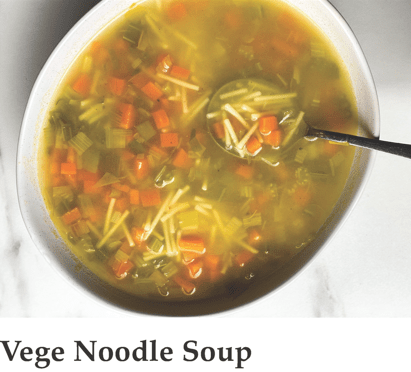
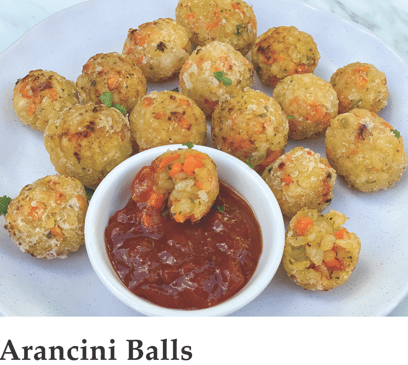
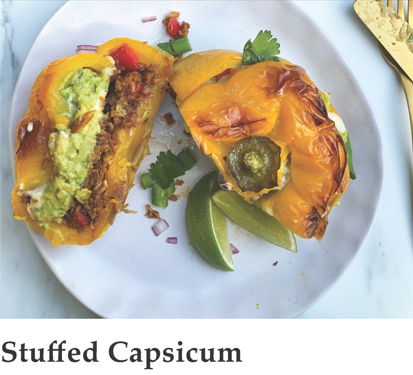
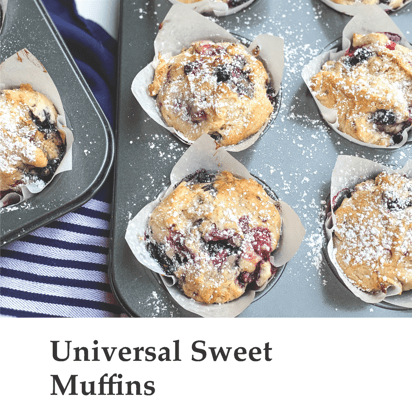
High-quality photographs accompany many recipes, showcasing the finished dishes beautifully and providing visual inspiration.


Usability
One notable feature of this cookbook is its measurement system, which predominantly uses cups, teaspoons, and tablespoons. While this may be familiar to many in the United States and Australia, European readers often prefer measurements in grams and millilitres. Fortunately, the Low Pro Living Cookbook addresses this potential hurdle by clearly explaining the equivalents of cups, tablespoons, and teaspoons at the beginning of the book. This thoughtful inclusion allows users to quickly adapt recipes to their preferred measurement system, ensuring that cooking remains accessible and enjoyable. Additionally, the cookbook enhances usability through helpful tips and icons that indicate dietary restrictions, making it easier for users to navigate their options based on individual needs.
This attention to detail simplifies meal preparation and empowers readers to explore a variety of delicious low-protein meals without sacrificing flavour or variety. Overall, the Low Pro Living Cookbook proves invaluable for anyone seeking to maintain a satisfying diet while managing their nutritional requirements effectively.
You can purchase the Low Pro Living Cookbook at this link: https://lowproliving.com.au/ and explore some recipe samples here: https://www.facebook.com/profile.php?id=61552217242683.
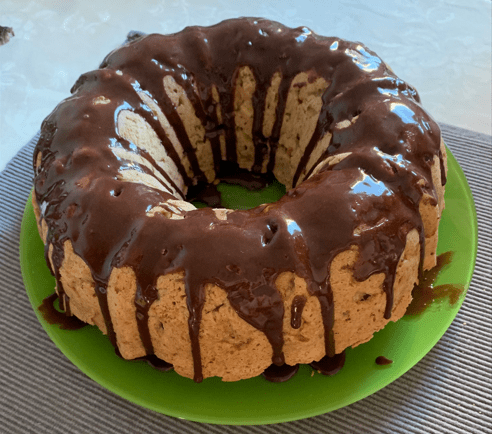
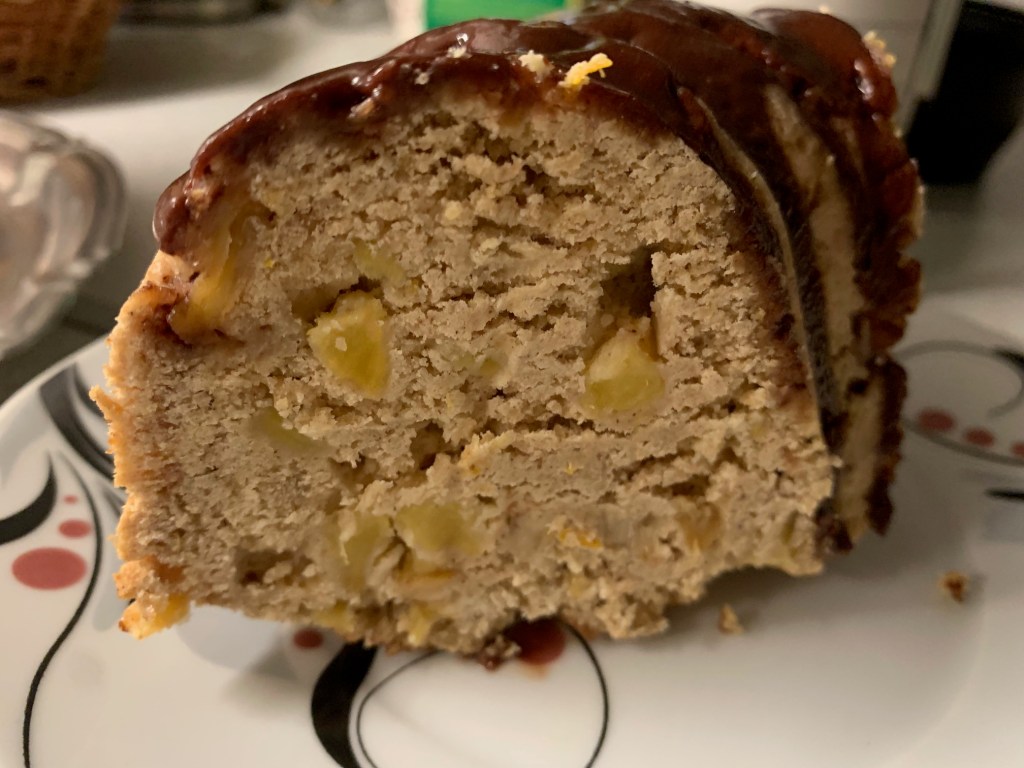
Until now, I tried a delicious bundt cake, which looked and had a fantastic taste (teaser photo below). I will share the recipe in the next post, so stay tuned!
Conclusion
In conclusion, the Low Pro Living Cookbook is more than just a collection of recipes; it is a comprehensive guide that empowers individuals managing low-protein diets to embrace culinary creativity and enjoyment. With its thoughtful design, clear instructions, and valuable nutritional insights, this cookbook stands out as an essential resource for both patients and caregivers. By providing practical tools and inspiration, it transforms the challenges of dietary restrictions into opportunities for exploration and satisfaction in the kitchen. As you embark on your culinary journey with this cookbook, remember the importance of personalizing recipes to meet specific dietary needs. Collaborating with healthcare professionals and utilizing reliable resources will ensure that you navigate your dietary requirements effectively. I encourage you to explore the Low Pro Living Cookbook for yourself—it could be the key to unlocking a world of delicious low-protein meals. Don’t forget to check back for my next post, where I’ll share the recipe for the delightful bundt cake I recently tried. Stay tuned for more delicious inspiration!
 Scientific Knowledge & Personal Nutrition Stories for Rare Metabolic Conditions
Leave a comment