

Preparing and freezing meals in advance can be a lifesaver, especially during challenging times. Recently, I faced a healthcare issue that rendered me unable to care for my son with phenylketonuria (PKU) for about one month. To ensure he maintained his dietary needs during my recovery, I meticulously planned and prepared his meals ahead of time. I also created his menu, day by day, to cover an entire month. Here’s how I did it and how you can implement similar strategies for your family.
Educating the Whole Family
One of the most critical aspects of managing PKU is ensuring that everyone in the family is educated about the condition from when the baby is an infant. Understanding PKU and its dietary restrictions is essential for all family members, as they play a vital role in supporting the child’s needs. Here are some key points to consider:
- Understanding PKU: Educate family members about PKU, how it affects your child, and why a low-protein diet is necessary. This knowledge fosters empathy and encourages everyone to participate in meal planning, preparation and feeding the child.
- Dietary Awareness: Teach family members how to read food labels and understand which foods are low in protein. This skill is crucial for ensuring that meals prepared by others adhere to dietary restrictions.
- Involvement in Meal Prep: Encourage family members to participate in meal preparation. This involvement helps them understand what goes into each meal and builds a sense of teamwork and shared responsibility.
- Creating a Supportive Environment: Establishing an environment where everyone respects your child’s dietary needs helps reinforce healthy eating habits for the entire family. When everyone is on board, sticking to the low-protein diet becomes easier.
Managing a low-phenylalanine (PKU) diet can be challenging, especially when you cannot prepare meals daily. Preparing and freezing meals in advance can help ensure your child receives the necessary nutrients while keeping phenylalanine levels in check. Here’s a comprehensive guide on preparing and freezing food for a PKU diet.
Understanding the PKU Diet
The PKU diet requires careful planning to limit phenylalanine intake while ensuring adequate nutrition. This involves avoiding high-protein foods, incorporating low-protein alternatives and using a Phe-free medical formula.
Please check out here the European Guidelines for Phenylketonuria and PKU dietary handbook to accompany PKU guidelines, two valuable scientific resources to guide you in the PKU journey.
Meal Planning
- Create a Menu: Plan meals that fit within the dietary restrictions in advance. Include a variety of fruits, vegetables, low-protein grains (like rice or specific pasta), and the medical formula.
- Calculate Quantities: Determine the required quantities of each food item based on your child’s dietary needs. Consider their age, weight, and activity level to adjust portion sizes accordingly.
- Nutritional Values: Keep track of the nutritional values of each meal to ensure they meet your child’s needs without exceeding their phenylalanine tolerance.
Speak to your doctor or dietician to establish how much equivalent gram protein should be taken from the formula and how much natural protein should be taken from the food. The amounts depend on the tolerance of each individual, as well as on age, weight, and height. One should also look at calorie intake and the amount of carbohydrates and lipids necessary. As this subject is very vast, it will not be covered here.
Preparation Steps
- Batch Cooking: Dedicate a day to prepare multiple meals at once. This can save time and ensure you have a variety of options available.
- Use Freezer-Friendly Recipes: Opt for recipes that freeze well. Some popular options include:
- Vegetable soups
- Low-protein vegetable muffins
- Low-protein tarts
- Low-protein pizza
- Low-protein dumplings
- Smoothies made with low-protein ingredients
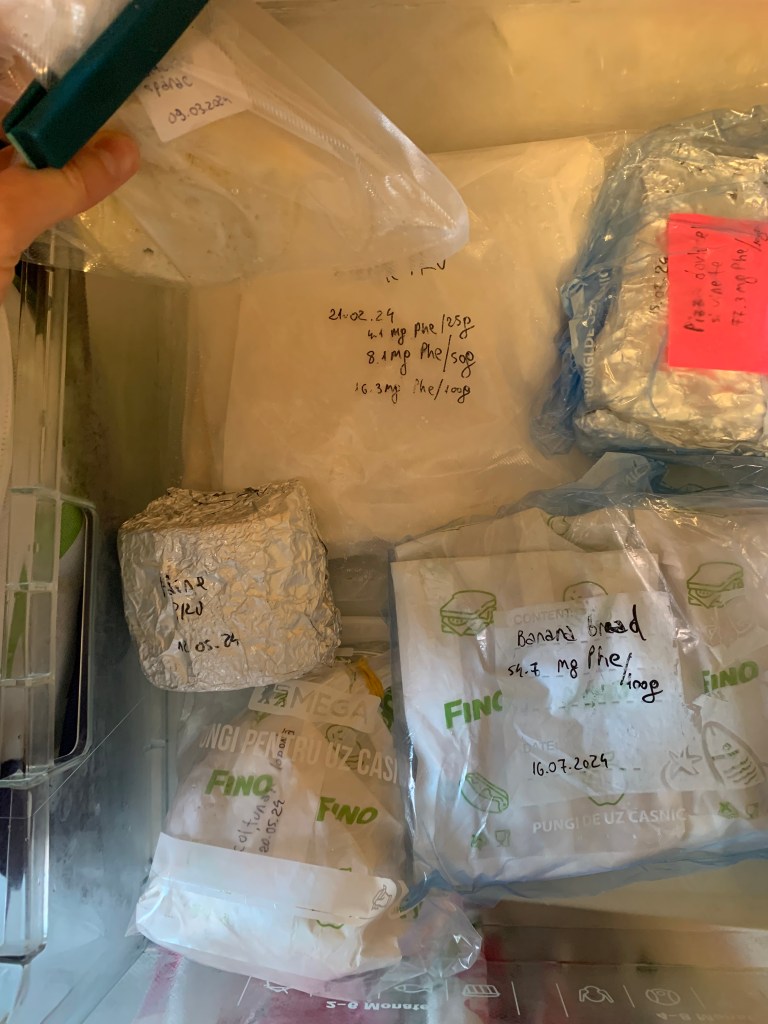
- Labeling: Clearly label each container or bag with the contents, date prepared, and amount of Phe. This will help caregivers quickly identify meals when needed.
- Portion Control: Freeze meals in appropriate serving sizes to make defrosting easier and reduce waste.
Freezing Techniques
- Flash Freezing: For items like smoothies or small portions of vegetables, spread them out on a baking sheet and freeze until solid before transferring them to bags. This prevents clumping and makes taking out just what you need easier.
- Air Removal: When using freezer bags, remove as much air as possible before sealing to prevent freezer burn.
- Flat Storage: Store bags flat in the freezer for easier stacking and quicker thawing.
Thawing and Serving
- Thawing Methods: The best way to thaw frozen meals is overnight in the refrigerator or using the defrost setting on your microwave.
- Reheating Instructions: Ensure all meals are heated thoroughly before serving.
- Monitor Phenylalanine Levels: After feeding your child any new meal from the freezer, monitor their blood phenylalanine levels to ensure they remain within safe ranges.
Support System While it’s great that you managed this process independently, involving family members like grandparents can provide additional support during challenging times. Sharing this plan with them can help ensure they understand how to prepare meals correctly based on your specifications. By preparing meals in advance and freezing them properly, you can maintain your child’s dietary needs effectively even during difficult periods. This proactive approach not only supports their health but also alleviates some of the stress associated with daily meal preparation.
Understanding PKU Dietary Needs
Before diving into meal prep, it’s crucial to understand the dietary restrictions associated with PKU. This genetic condition requires strict management of phenylalanine (Phe) intake, primarily found in protein-rich foods. For my son, this meant carefully calculating the amount of low-protein foods he could eat, along with his specialized formula and low-protein drinks.
Nutritional Planning
I began by creating a comprehensive weekly menu, outlining four meals daily. Each meal needed to include:
- Low-protein foods: These could be vegetables, fruits, and products containing low-protein flour for an additional carbohydrate supply (low-protein biscuits, pasta, bread etc.).
- Nutritional values: I calculated the calories, carbohydrate, lipid, protein and Phe content for each food item to ensure they fit within his dietary limits.
- Formula: I measured the exact amount of formula he would need to meet his nutritional requirements.
- Calorie formula: I included a supplement with additional calories without protein.
By planning each meal with precise quantities, I could ensure that my son would receive balanced nutrition even in my absence.
Meal Preparation
With the menu in hand, I set aside a day for meal preparation. I made a detailed shopping list based on my planned menu. This included fresh fruits and vegetables, low-protein staples, and any other necessary ingredients. Having everything ready at once made the cooking process smoother. I cooked multiple servings of each meal to save time. An example of cooking in batches:
- Vegetable soup
- Pizza with veggies
- Muffins
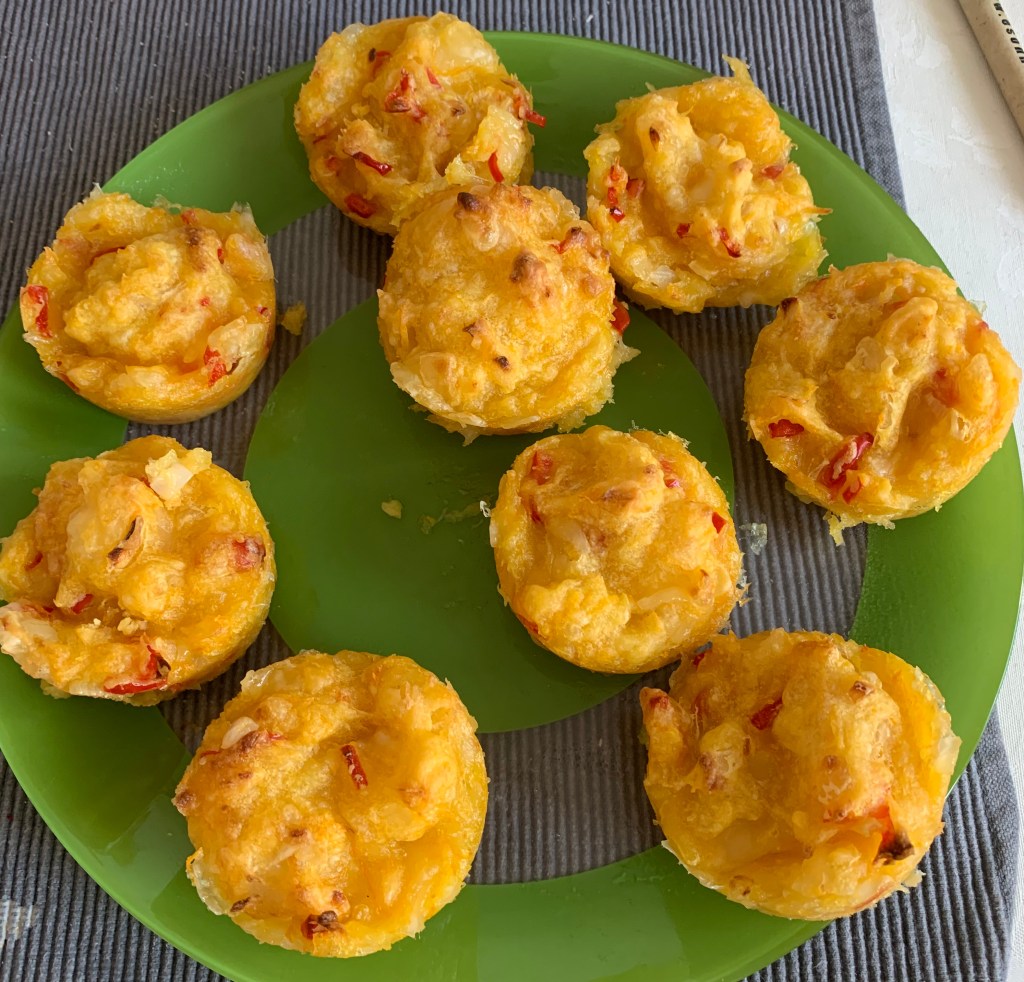
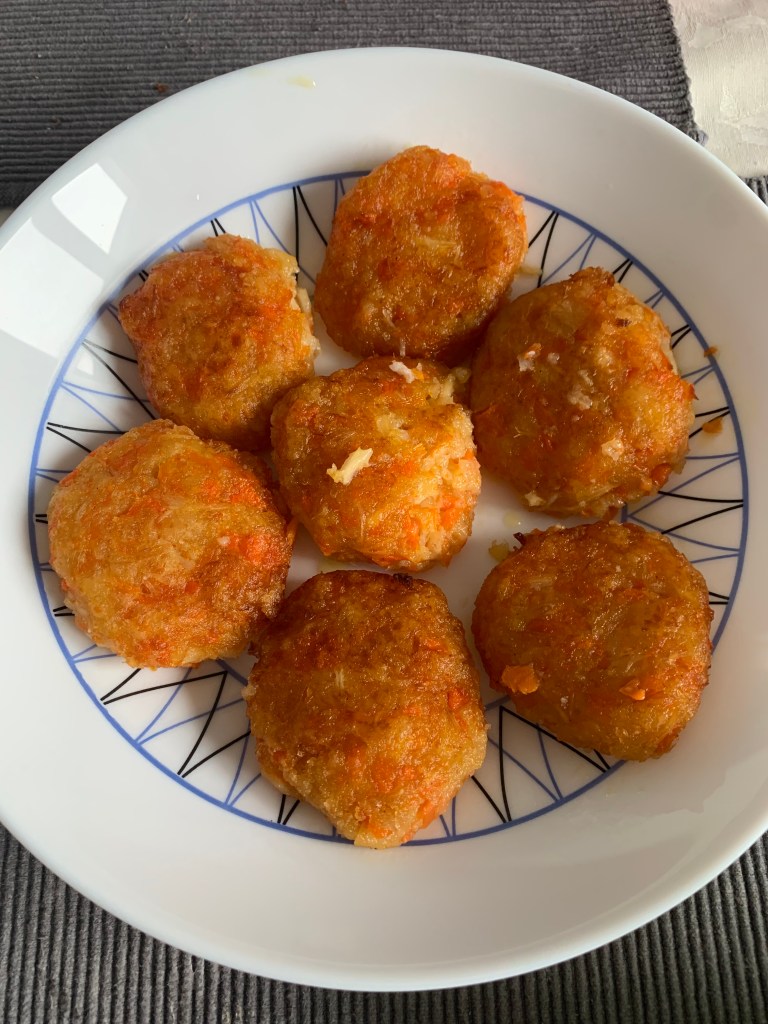
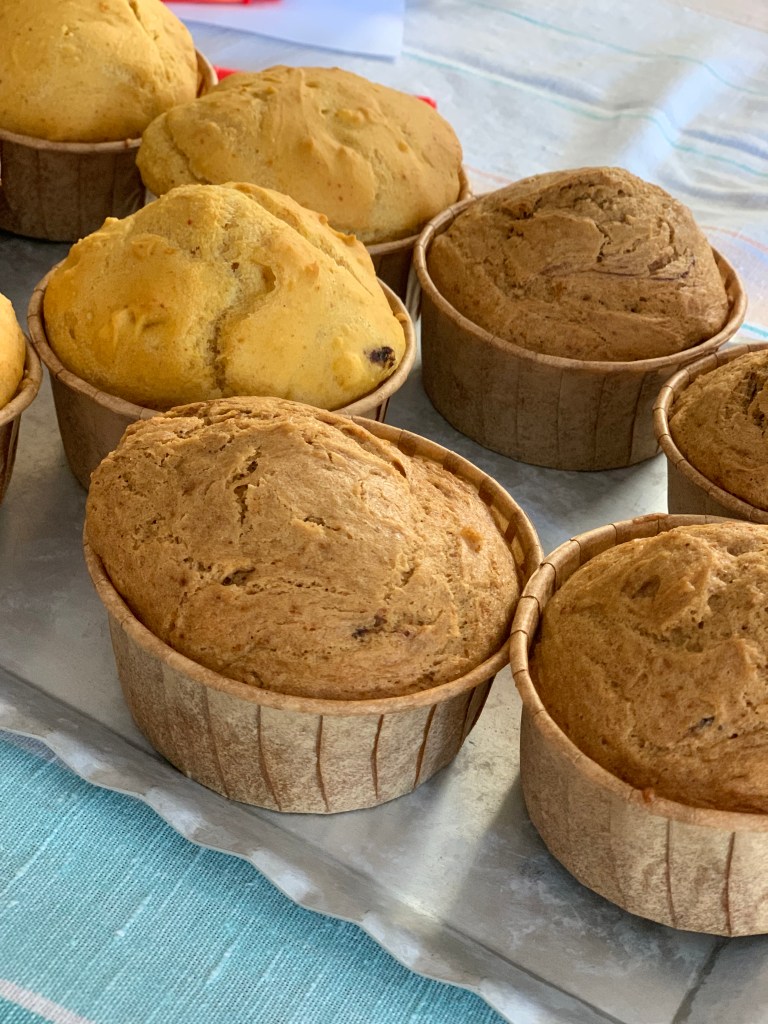
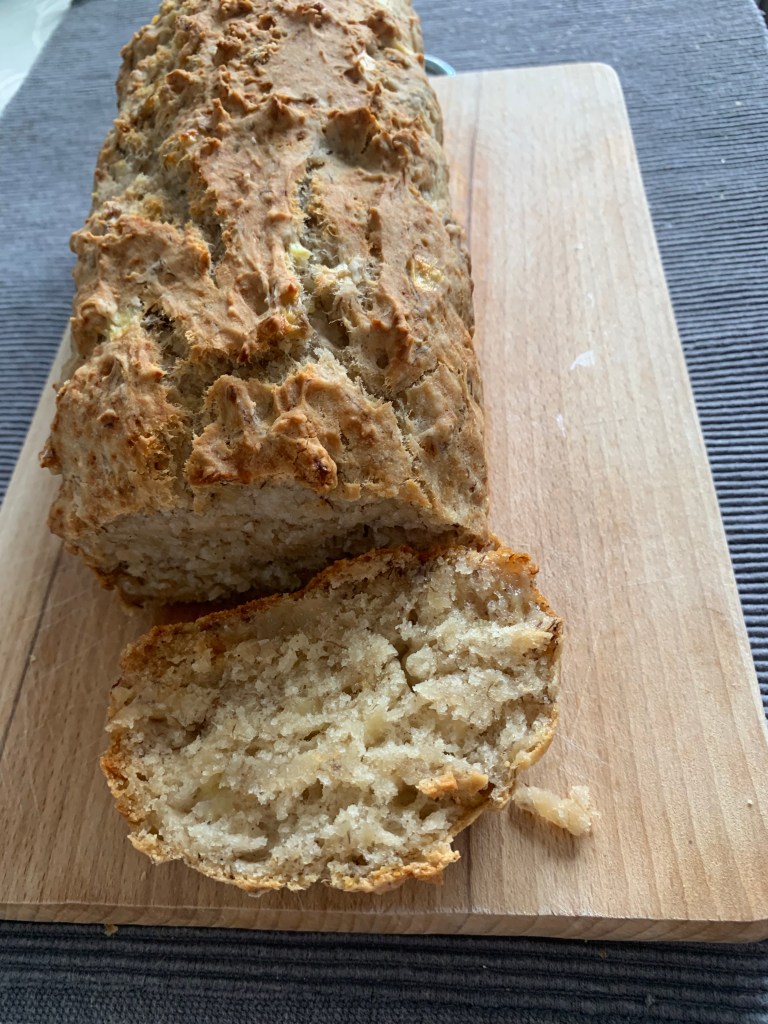
Batch cooking allowed me to focus on one dish at a time without feeling overwhelmed.
Once everything was cooked, I portioned the meals into individual containers. Each container was labelled with the name of the dish, the date it was prepared, the Phe content and calorie count.
This labelling system was essential for my son’s grandmother, who would be helping with meals during my recovery.
Reflection on Meal Prep Success
Looking back on this experience, preparing and freezing meals in advance proved invaluable during my health crisis. Not only did it ease the burden on my family during a challenging time, but it also ensured that my son continued to receive proper nutrition without disruption.
Tips for Successful Meal Prep
If you’re considering meal prepping for your family or someone with specific dietary needs, here are some tips:
- Plan Ahead: Create a detailed menu based on nutritional requirements.
- Batch Cook: Prepare multiple servings of each dish at once.
- Label Everything: Clearly mark containers with names and nutritional information.
- Organize Your Freezer: Keep similar items together and maintain an inventory list.
- Involve Family Members: Educate those who will help with meal prep or feeding about dietary needs.
By following these steps, you can create a seamless meal prep system that ensures your loved ones receive nutritious meals even when life gets hectic. It’s all about preparation and organization—skills that will serve you well in any situation!
Reflecting on my journey of meal prepping for my son with PKU, I realize how crucial it is to share experiences and strategies within our community. Each family’s approach can offer unique insights and support to others facing similar challenges. I encourage everyone to share your meal prepping tips or personal stories related to managing dietary needs. Whether it’s a favorite recipe, a time-saving hack, or simply how you involve family members in the process, your contributions can make a significant difference. Let’s come together to create a supportive network where we can learn from one another and enhance our meal prep practices!
Make a one-time donation
Make a monthly donation
Make a yearly donation
Choose an amount
Or enter a custom amount
What If Your Donation Could Change Everything?
Let’s be honest: most people scroll past donation buttons. But you’re not most people.
You’re here because you care about knowledge, about real stories, about making a difference for people who need it most. You know that every breakthrough, every recipe, every insight on raremetabolicinsights.com is a lifeline for someone out there.
Here’s the truth:
This site isn’t powered by big sponsors or faceless corporations. It’s powered by people like you—people who believe that sharing knowledge can change lives.
Why Donate?
Every euro you give is a vote for more content, more recipes, more hope.
Your support means we can publish more often, dive deeper, and reach more families who need answers.
You’re not just donating—you’re joining a movement that refuses to let rare conditions mean rare support.
Imagine This:
Tomorrow, someone finds a recipe here that finally makes their child’s diet easier. Next week, a parent reads a guide that gives them hope. That’s the impact you can have—right now.
If you’ve ever found value here, pay it forward.
Your donation—no matter the size—keeps this community alive and growing.
“The only thing standing between someone and the life-changing information they need… is whether we show up for each other.”
What If Your Donation Could Change Everything?
Let’s be honest: most people scroll past donation buttons. But you’re not most people.
You’re here because you care about knowledge, about real stories, about making a difference for people who need it most. You know that every breakthrough, every recipe, every insight on raremetabolicinsights.com is a lifeline for someone out there.
Here’s the truth:
This site isn’t powered by big sponsors or faceless corporations. It’s powered by people like you—people who believe that sharing knowledge can change lives.
Why Donate?
Every euro you give is a vote for more content, more recipes, more hope.
Your support means we can publish more often, dive deeper, and reach more families who need answers.
You’re not just donating—you’re joining a movement that refuses to let rare conditions mean rare support.
Imagine This:
Tomorrow, someone finds a recipe here that finally makes their child’s diet easier. Next week, a parent reads a guide that gives them hope. That’s the impact you can have—right now.
If you’ve ever found value here, pay it forward.
Your donation—no matter the size—keeps this community alive and growing.
“The only thing standing between someone and the life-changing information they need… is whether we show up for each other.”
What If Your Donation Could Change Everything?
Let’s be honest: most people scroll past donation buttons. But you’re not most people.
You’re here because you care about knowledge, about real stories, about making a difference for people who need it most. You know that every breakthrough, every recipe, every insight on raremetabolicinsights.com is a lifeline for someone out there.
Here’s the truth:
This site isn’t powered by big sponsors or faceless corporations. It’s powered by people like you—people who believe that sharing knowledge can change lives.
Why Donate?
Every euro you give is a vote for more content, more recipes, more hope.
Your support means we can publish more often, dive deeper, and reach more families who need answers.
You’re not just donating—you’re joining a movement that refuses to let rare conditions mean rare support.
Imagine This:
Tomorrow, someone finds a recipe here that finally makes their child’s diet easier. Next week, a parent reads a guide that gives them hope. That’s the impact you can have—right now.
If you’ve ever found value here, pay it forward.
Your donation—no matter the size—keeps this community alive and growing.
“The only thing standing between someone and the life-changing information they need… is whether we show up for each other.”
 Scientific Knowledge & Personal Nutrition Stories for Rare Metabolic Conditions
Leave a comment