Introduction
Newborn screening is designed to identify various conditions, including metabolic disorders. There is significant variation in newborn blood screening programs across different countries, with the specific inborn errors of metabolism (IEM) screened being influenced by local health policies, technological capabilities, and public health priorities 1,2. Below is a comprehensive table summarizing the endocrine disorders, amino acidemias and organic acidemias screened at birth through national programs in various countries across Europe, the Americas, Australia, and Asia.
| Country/Region | Conditions Screened |
| EU Countries | |
| Austria | PKU, CH, CF, MSUD, GALT, BTD3 |
| Belgium | PKU, CH, CF, MSUD, GALT, TYR (plus other conditions depending on the province)4,5 |
| Bulgaria | PKU, CH, CAH6 |
| Croatia | PKU, CH, CF7 |
| Cyprus | PKU, CH8 |
| Czech Republic | PKU, CH, CF, MSUD (18 conditions total)9 |
| Denmark | PKU, CH, CF (17 conditions total)10 |
| Estonia | PKU, CH (21 conditions total)11 |
| Finland | CH12,13 |
| France | PKU, CH, CF, MCADD, CAH14 |
| Germany | PKU, CH, CF, MSUD, GALT (19 conditions total)15 |
| Greece | PKU, CH16 |
| Hungary | PKU, CH, GALT, BTD17 |
| Ireland | PKU, MSUD, GALT (9 conditions total)18 |
| Italy | PKU, CH, CF (49 conditions total)19 |
| Latvia | PKU, CH, CAH, CF16 |
| Lithuania | PKU, CH, CAH (12 conditions total)20 |
| Luxembourg | PKU, CH, CAH, MCAD, CF21 |
| Malta | PKU, CH22 |
| Netherlands | PKU, CH (27 conditions total)23 |
| Poland | PKU, CH (25 conditions total)16 |
| Portugal | PKU, CH, CF (a total of 28 conditions, of which 24 inborn errors of metabolism)24 |
| Romania | PKU, CH, CF7,16 |
| Slovakia | PKU, MSUD, GA-1, IVA (10 inborn errors of metabolism)25 |
| Slovenia | PKU, CH26 |
| Spain | PKU, CH (7 conditions included in the main screening panel in Spain)27 |
| Sweden | PKU (25 conditions total)16,28 |
| United Kingdom | PKU, CH, CF, MSUD (9 conditions total)16 |
| Non-EU Countries | |
| Switzerland | PKU, CH (11 conditions total)29 |
| Norway | PKU, CH (21 inborn errors of metabolism, 25 conditions total)30 |
| Americas | |
| United States | PKU, CH (over 50 conditions in some states)31 |
| Canada | PKU (conditions screened vary from 3 to 28, depending on province)32 |
| Brazil | PKU, CH, CF33 |
| Australia | PKU, CH (26 conditions total)34 |
| Asia | |
| Japan | PKU, MSUD, GALT, CH, CAH (additional conditions vary by region)35 |
| South Korea | PKU, GALT, MSUD (includes various metabolic disorders depending on local policies)36 |
Abbreviations: BTD – biotinidase deficiency; CAH – congenital adrenal hyperplasia; CF – cystic fibrosis; CH – congenital hypothyroidism; GA-1 – glutaric acidaemia type I; GALT – classic galactosemia; IVA – isovaleric acidemia; PKU – phenylketonuria; MCADD –medium-chain acyl-CoA dehydrogenase deficiency; MSUD – maple syrup urine disease; TYR – tyrosinemia
This table reflects the diversity in newborn screening practices globally. While most countries screen for Phenylketonuria (PKU) and Congenital Hypothyroidism (CH), the inclusion of other conditions and IEMs varies widely. Some regions are moving towards expanded panels using tandem mass spectrometry to detect a broader range of metabolic disorders.
Step-by-Step Process of newborn screening tests:
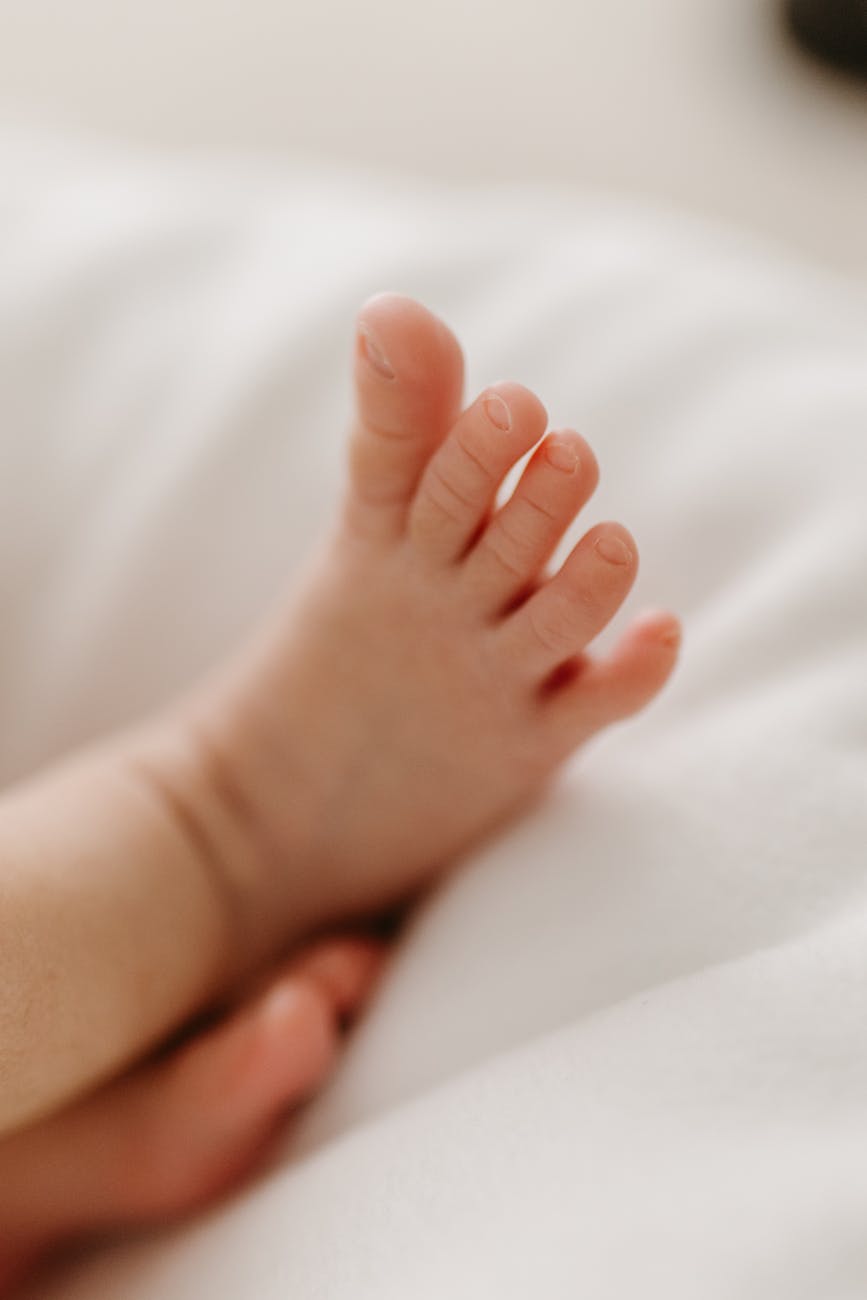
Once a baby is born, a crucial step in their early care is the collection of a blood sample. This process is ideally done between 24 to 48 hours after birth, although there are times when adjustments must be made for premature or ill infants. When the time comes for the blood collection, a healthcare provider gently warms the infant’s heel. This simple act helps to increase blood flow, making the procedure easier for both the baby and the healthcare professional. With careful precision, a quick pinprick is made on the infant’s heel using a sterile lancet. A few drops of blood are collected and placed onto a special filter paper card, which is designed to absorb the blood effectively. After the blood has been collected, the spots are laid out to dry at room temperature. In the lab, the dried blood spots undergo various methods of analysis. One of these is Tandem Mass Spectrometry (MS/MS), which permit the screening for multiple metabolic disorders at once by measuring specific metabolites in the blood. Additionally, enzyme activity testing may be conducted to identify any deficiencies in certain enzymes linked to specific conditions. Finally, immunoassays are used to measure hormone levels, such as thyroid-stimulating hormone (TSH), which is vital for diagnosing congenital hypothyroidism. Together, these steps ensure that the newborn receives the necessary screening to support their health and well-being as they begin their journey in the world. When screening for just a few diseases (e.g., PKU and CH), traditional methods like bacterial inhibition assays or enzyme assays may suffice37,38.
Conclusion
The newborn blood spot screening process is a crucial public health initiative. It enables early detection of severe conditions. Healthcare providers can enhance their screening capabilities by employing advanced analytical methods like tandem mass spectrometry. This ensures that infants receive the best possible care from the very beginning of life.
Make a one-time donation
Make a monthly donation
Make a yearly donation
Choose an amount
Or enter a custom amount
What If Your Donation Could Change Everything?
Let’s be honest: most people scroll past donation buttons. But you’re not most people.
You’re here because you care about knowledge, about real stories, about making a difference for people who need it most. You know that every breakthrough, every recipe, every insight on raremetabolicinsights.com is a lifeline for someone out there.
Here’s the truth:
This site isn’t powered by big sponsors or faceless corporations. It’s powered by people like you—people who believe that sharing knowledge can change lives.
Why Donate?
Every euro you give is a vote for more content, more recipes, more hope.
Your support means we can publish more often, dive deeper, and reach more families who need answers.
You’re not just donating—you’re joining a movement that refuses to let rare conditions mean rare support.
Imagine This:
Tomorrow, someone finds a recipe here that finally makes their child’s diet easier. Next week, a parent reads a guide that gives them hope. That’s the impact you can have—right now.
If you’ve ever found value here, pay it forward.
Your donation—no matter the size—keeps this community alive and growing.
“The only thing standing between someone and the life-changing information they need… is whether we show up for each other.”
What If Your Donation Could Change Everything?
Let’s be honest: most people scroll past donation buttons. But you’re not most people.
You’re here because you care about knowledge, about real stories, about making a difference for people who need it most. You know that every breakthrough, every recipe, every insight on raremetabolicinsights.com is a lifeline for someone out there.
Here’s the truth:
This site isn’t powered by big sponsors or faceless corporations. It’s powered by people like you—people who believe that sharing knowledge can change lives.
Why Donate?
Every euro you give is a vote for more content, more recipes, more hope.
Your support means we can publish more often, dive deeper, and reach more families who need answers.
You’re not just donating—you’re joining a movement that refuses to let rare conditions mean rare support.
Imagine This:
Tomorrow, someone finds a recipe here that finally makes their child’s diet easier. Next week, a parent reads a guide that gives them hope. That’s the impact you can have—right now.
If you’ve ever found value here, pay it forward.
Your donation—no matter the size—keeps this community alive and growing.
“The only thing standing between someone and the life-changing information they need… is whether we show up for each other.”
What If Your Donation Could Change Everything?
Let’s be honest: most people scroll past donation buttons. But you’re not most people.
You’re here because you care about knowledge, about real stories, about making a difference for people who need it most. You know that every breakthrough, every recipe, every insight on raremetabolicinsights.com is a lifeline for someone out there.
Here’s the truth:
This site isn’t powered by big sponsors or faceless corporations. It’s powered by people like you—people who believe that sharing knowledge can change lives.
Why Donate?
Every euro you give is a vote for more content, more recipes, more hope.
Your support means we can publish more often, dive deeper, and reach more families who need answers.
You’re not just donating—you’re joining a movement that refuses to let rare conditions mean rare support.
Imagine This:
Tomorrow, someone finds a recipe here that finally makes their child’s diet easier. Next week, a parent reads a guide that gives them hope. That’s the impact you can have—right now.
If you’ve ever found value here, pay it forward.
Your donation—no matter the size—keeps this community alive and growing.
“The only thing standing between someone and the life-changing information they need… is whether we show up for each other.”
References
1. Burlina, A. et al. A New Approach to Objectively Evaluate Inherited Metabolic Diseases for Inclusion on Newborn Screening Programmes. International Journal of Neonatal Screening 8, 25 (2022).
2. Bennett, M. J. et al. Newborn Screening for Metabolic Disorders: How Are We Doing, and Where Are We Going? Clinical Chemistry 58, 324–331 (2012).
3. Pollak, A. & Kasper, D. C. Austrian Newborn Screening Program: a perspective of five decades. Journal of Perinatal Medicine 42, 151–158 (2014).
4. Secretariat, M. A. Neonatal Screening of Inborn Errors of Metabolism Using Tandem Mass Spectrometry: An Evidence-Based Analysis. Ontario Health Technology Assessment Series 3, 1 (2003).
5. https://kce.fgov.be/sites/default/files/2021-11/KCE_267_Newborn_blood_screening_1.pdf. https://kce.fgov.be/sites/default/files/2021-11/KCE_267_Newborn_blood_screening_1.pdf.
6. Bulgaria – RD-ACTION : DATA AND POLICIES for rare diseases. http://www.rd-action.eu/country/bulgaria/.
7. Koracin, V. et al. Current Status of Newborn Screening in Southeastern Europe. Front. Pediatr. 9, (2021).
8. Neonatal Screening Program. https://www.cpp.org.cy/en/programma-proliptikou-elegxou-neognon.
9. For the Public – Newborn screening. https://www.novorozeneckyscreening.cz/en/for-the-public.
10. Danish expanded newborn screening is a successful preventive public health programme. Ugeskriftet.dk https://ugeskriftet.dk/dmj/danish-expanded-newborn-screening-successful-preventive-public-health-programme.
12. Virtanen, M. et al. Screening for congenital hypothyroidism in Finland. Pediatr Res 15, 1555–1555 (1981).
13. Loeber, J. G. et al. Newborn screening programmes in Europe; arguments and efforts regarding harmonization. Part 1 – From blood spot to screening result. J of Inher Metab Disea 35, 603–611 (2012).
15. Spiekerkoetter, U. & Krude, H. Target Diseases for Neonatal Screening in Germany: Challenges for Treatment and Long-Term Care. Deutsches Ärzteblatt International 119, 306 (2022).
16. Loeber, J. G. et al. Neonatal Screening in Europe Revisited: An ISNS Perspective on the Current State and Developments Since 2010. International Journal of Neonatal Screening 7, 15 (2021).
18. Newborn Bloodspot Screening Programme. Metabolic https://metabolic.ie/about-us/newborn-bloodspot-screening-programme/.
19. Marco. ENS, information and awareness-raising campaigns. https://www.aismme.org/extended-newborn-screening.html.
20. Universal newborn screening: why is it important? https://ligoniukasa.lrv.lt/en/news/universal-newborn-screening-why-is-it-important/.
22. Therrell, B. L. et al. Current Status of Newborn Bloodspot Screening Worldwide 2024: A Comprehensive Review of Recent Activities (2020–2023). International Journal of Neonatal Screening 10, 38 (2024).
23. https://www.pns.nl/sites/default/files/2024-02/HielprikMon2022-EN-def.pdf.
24. Gonçalves, M. M. et al. Portuguese Neonatal Screening Program: A Cohort Study of 18 Years Using MS/MS. International Journal of Neonatal Screening 10, 25 (2024).
25. Dluholucký, S. & Knapková, M. The First Results of Extended Newborn Screening in Slovakia—Differences between the Majority and the Roma Ethnic Group. International Journal of Neonatal Screening 3, 25 (2017).
26. Šmon, A. et al. Newborn Screening in Slovenia. Slovenian Journal of Public Health 54, 86 (2015).
27. Argudo-Ramírez, A. et al. Newborn Screening for SCID. Experience in Spain (Catalonia). International Journal of Neonatal Screening 7, 46 (2021).
28. https://mzd.gov.cz/wp-content/uploads/2022/11/Rolf-Zetterstrom.pdf. https://mzd.gov.cz/wp-content/uploads/2022/11/Rolf-Zetterstrom.pdf.
29. Diseases | Newborn Screening. https://www.neoscreening.ch/en/diseases/.
30. Tangeraas, T. et al. Performance of Expanded Newborn Screening in Norway Supported by Post-Analytical Bioinformatics Tools and Rapid Second-Tier DNA Analyses. International Journal of Neonatal Screening 6, 51 (2020).
31. Kanungo, S., Patel, D. R., Neelakantan, M. & Ryali, B. Newborn screening and changing face of inborn errors of metabolism in the United States. Annals of Translational Medicine 6, 468 (2018).
32. Hanley, W. B. Newborn screening in Canada – Are we out of step? Paediatrics & Child Health 10, 203 (2005).
33. Leão, L. L. & Aguiar, M. J. B. de. Newborn screening: what pediatricians should know. J. Pediatr. (Rio J.) 84, S80–S90 (2008).
34. Nursing guidelines : Newborn bloodspot screening. https://www.rch.org.au/rchcpg/hospital_clinical_guideline_index/newborn-bloodspot-screening/.
35. Yamaguchi, S. Newborn Screening in Japan: Restructuring for the New Era. 37, (2008).
36. Yoon, H.-R. et al. Screening of newborns and high-risk group of children for inborn metabolic disorders using tandem mass spectrometry in South Korea: a three-year report. Clinica Chimica Acta 354, 167–180 (2005).
37. Dubay, K. S. & Zach, T. L. Newborn Screening. in StatPearls (StatPearls Publishing, Treasure Island (FL), 2024).
38. Ding, S. & Han, L. Newborn screening for genetic disorders: Current status and prospects for the future. Pediatric Investigation 6, 291 (2022).
 Scientific Knowledge & Personal Nutrition Stories for Rare Metabolic Conditions
Leave a comment